

SOIL SCIENCE
We measure the soil
You want to measure the pressure, moisture or gas content of your soil? We have the right solutions for you – and tailor-made: from drills and puncture cylinders to tensiometers, suction probes and specially developed field instruments.
We are the specialist for soil science measuring instruments – see for yourself!

Our product groups
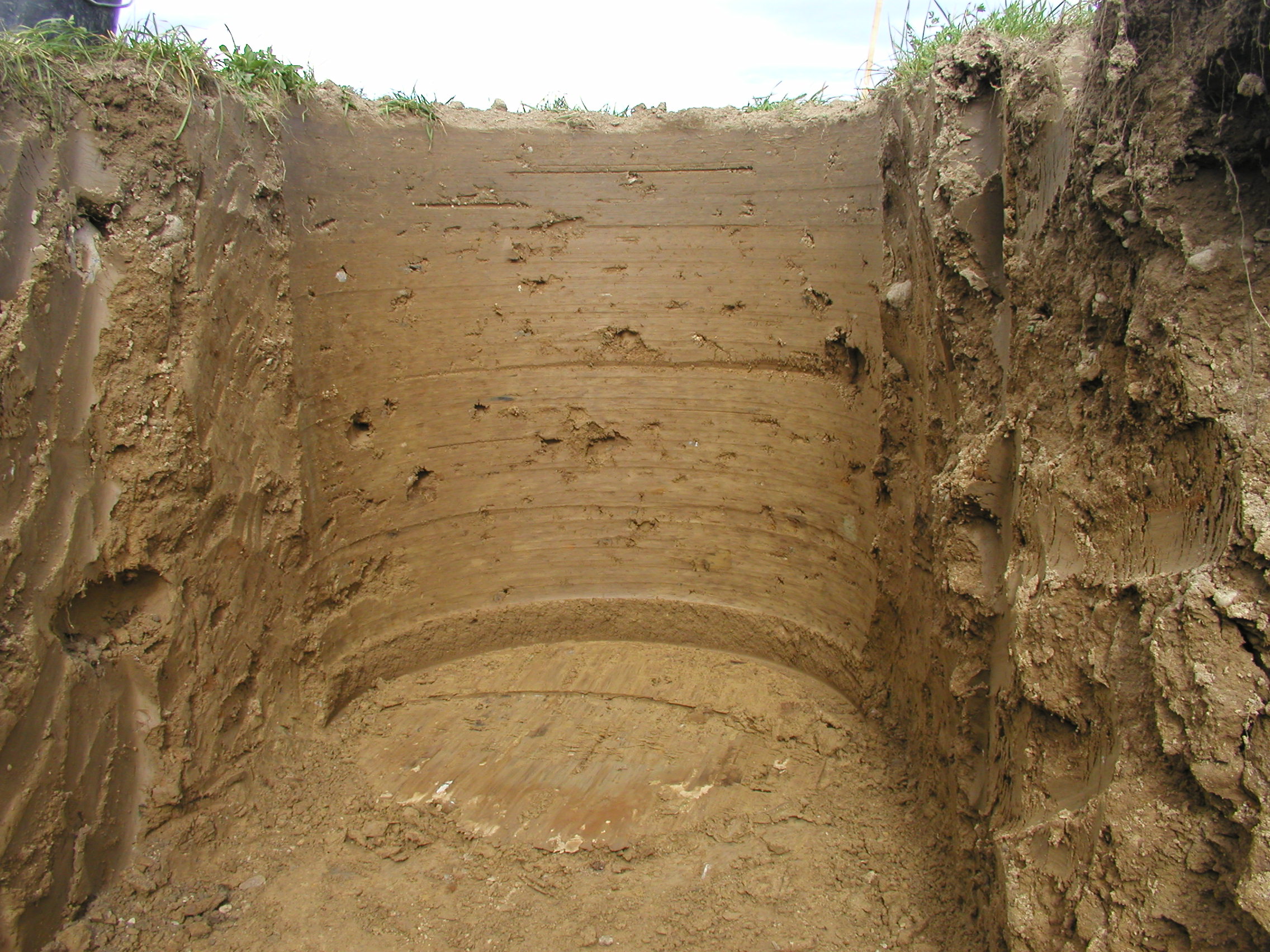
Soil sampling technology
Soil Sensors
Suction Probes
Gas monitoring
Laboratory equipment
Field instruments
System solutions for soil
Lysimeter
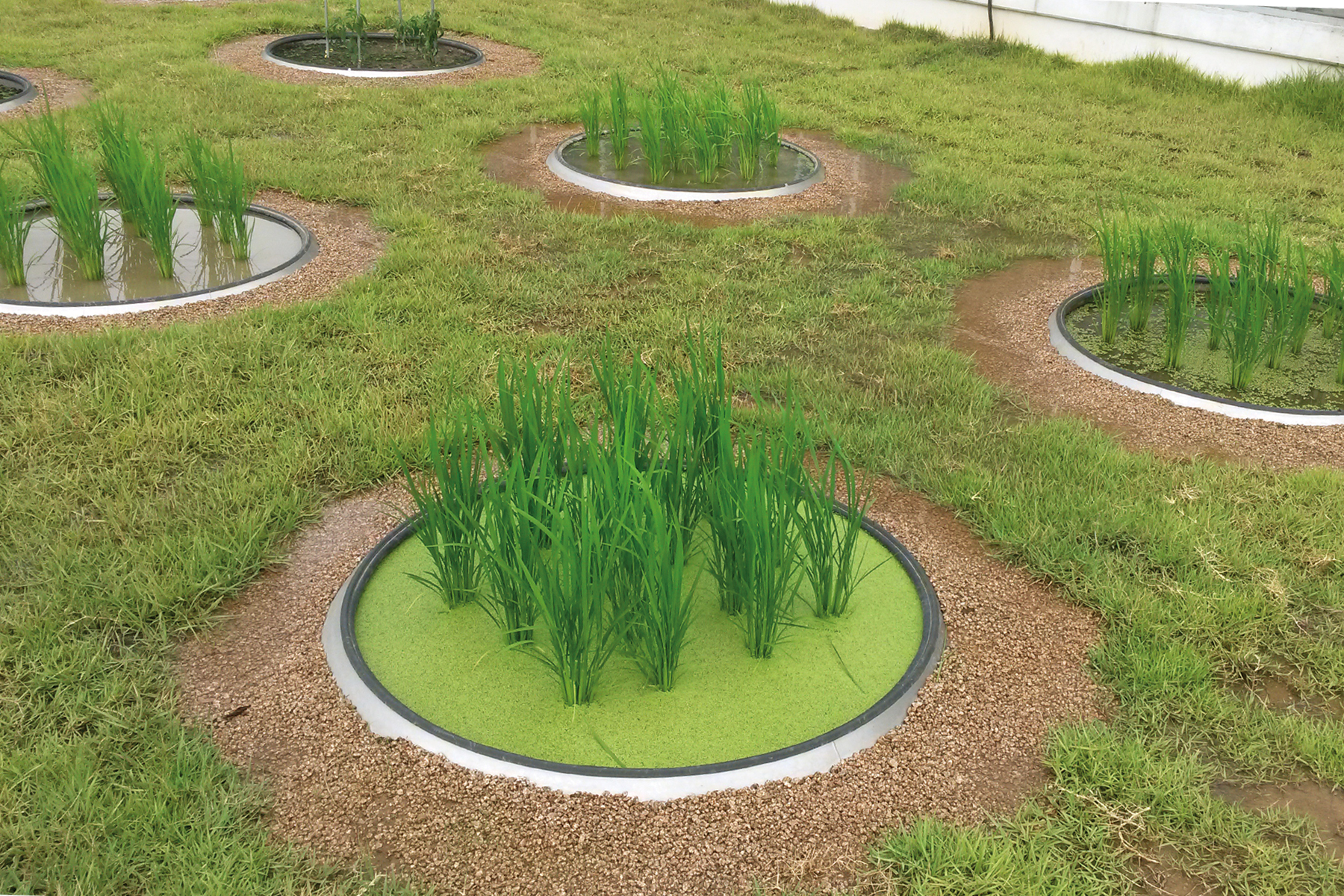
Lysimeters are soil columns physically separated from the environment with a known volume and cross-sectional area. You can use our lysimeter technology, for example, for water balance studies of ecosystems or the water demand of irrigated plants.
Technology for peatlands and saturated soils
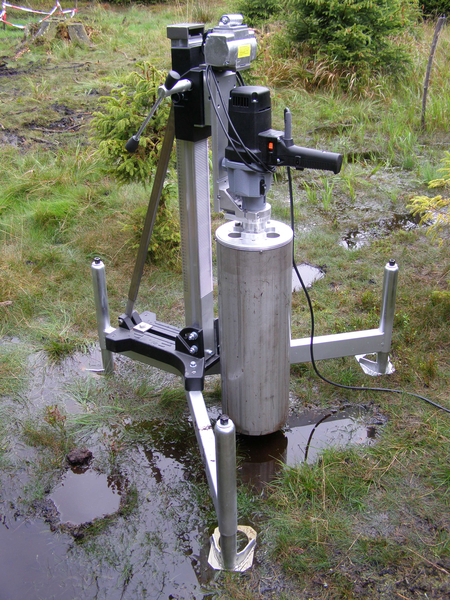
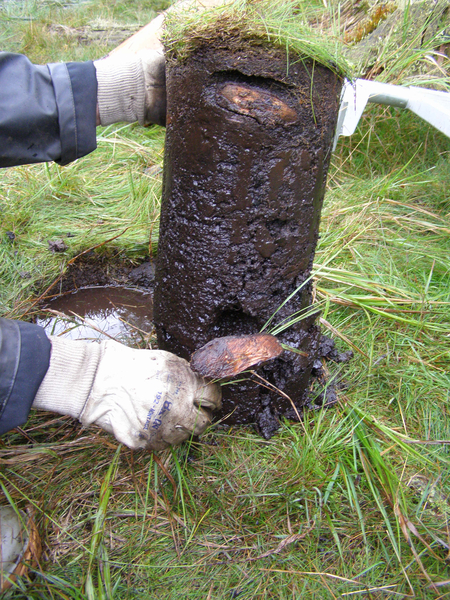
Peatlands play an important role in storing carbon and regulating water budgets. We have the right technology for this, e.g. to measure water level, gas flow or carbon. Understanding long-term changes in peatlands also requires continuous measurements over many years. Our proven sensors, the tried and tested measuring hoods and our special bog lysimeter are perfectly suited for this purpose.
Frequently Asked Questions - FAQ
Soil Health
Soil Health describes the capacity of soil to sustain its ecological functions over time. These include water and nutrient storage, carbon sequestration, biodiversity support, and contaminant filtration. The concept is becoming increasingly important in the context of climate change and sustainable land management.
Physical, chemical, and biological parameters are combined to assess soil health. These include, among others, soil structure, soil moisture, soil water potential, hydraulic conductivity, nutrient content, organic carbon, soil temperature, microbial activity, and the presence of contaminants and their mobility. In particular, the water balance and mass transport provide important information about how soils respond to environmental changes and what functions they perform for plants, water purification, and carbon storage.
Modern environmental monitoring systems enable the continuous measurement of key soil parameters and their long-term evaluation. This supports early detection of changes, assessment of management practices, and evidence-based evaluation of soil condition over time.
Soil Conservation
Soil is a finite resource that is under increasing pressure. Changes in soil quality often occur gradually and go unnoticed for a long time. By continuously measuring water balance, temperature, material flows, and other soil parameters, changes and negative trends can be identified early on, allowing for the implementation of appropriate protective measures.
Extended droughts, heavy rainfall, and rising temperatures alter soil water dynamics, structure, and nutrient cycles. These changes increase the risks of erosion, compaction, and contaminant transport. Modern environmental monitoring provides the data required to assess these impacts and develop effective adaptation strategies.
Healthy soils store water, filter pollutants, sequester carbon, and perform key functions for agriculture and the environment. Effective soil conservation therefore plays a vital role in maintaining soil fertility, protecting drinking water resources, adapting to climate change, and preserving functioning ecosystems.
EU Soil Monitoring Law
The EU Soil Monitoring Law establishes a harmonized framework for assessing and monitoring soil health in Europe. The goal is to provide reliable data on soil quality, identify degraded soils at an early stage, and support measures for the long-term protection of soil functions. Standardized monitoring approaches lay the foundation for a better assessment of soil trends. Modern environmental measurement technology plays a central role in this process, as it provides continuous and comparable measurement data.
Depending on the area of application, soil monitoring programs may include, among other things, soil moisture, soil water potential, soil temperature, hydraulic conductivity, organic carbon, and material fluxes. In addition, meteorological parameters as well as other chemical, biological, and physical soil properties can be recorded. The combination of these parameters enables a comprehensive assessment of soil functions and their changes over time.
Modern environmental measurement technology enables the automated, continuous, and standardized collection of relevant soil and environmental parameters. These include, for example,soil moisture and soil temperature sensors,tensiometers,lysimeters,gas measurement technology, and weather stations. Automated measurement systems with high-performance data loggers enable regular and reliable data collection even over long periods of time. For remote measurement sites, IoT solutions also offer the ability to transmit measurement data wirelessly and energy-efficiently.
UGT offers modular solutions for this purpose. These solutions enable the efficient implementation of long-term monitoring programs and lay the groundwork for regular, consistent, and accurate monitoring, as well as scientifically sound data sets.
Nature-based Solutions (NbS)
Nature-based Solutions (NbS) utilize or enhance natural processes and ecosystems to address societal challenges such as water scarcity, flooding, erosion, biodiversity loss, and the impacts of climate change. These include, for example, the restoration of wetlands, the rewetting of bogs, reforestation, urban greening, and the promotion of water-retaining soil structures.
In sustainable water management, NbS help retain and store water, reduce peak runoff, promote groundwater recharge, and improve water quality. At the same time, they can enhance soil functions, reduce erosion, create habitats, and increase the resilience of ecosystems to climate change.
Depending on the type and objective of the nature-based solution, various physical, chemical, biological, and ecological parameters are relevant. These include, for example, soil and water balance, temperature, material and gas fluxes, vegetation development, carbon cycles, biodiversity, and meteorological factors. Information on habitat development and use can also play an important role, for example through remote sensing, imagery, automated monitoring, or animal tracking. The appropriate combination of sensors, measurement systems, and digital methods depends on the specific research question, the ecosystem under consideration, and the effects of the nature-based solution being evaluated.
The positive effects of nature-based measures often develop over several years and can be masked by seasonal and climatic fluctuations. Long-term monitoring programs make it possible to scientifically document changes in the water balance, soil quality, and ecosystem functions; to distinguish these changes from natural fluctuations; and to reliably assess the success of the measures.
Contact us
Are you looking for a strong partner and a sustainable cooperation? Then simply get in touch with us! We love exciting and challenging projects around environmental technology.
 +49 33432 7559-0
 info@ugt-online.de